Choosing the right material for you
Kitchen essentials are some of the hardest working products in the home, and the materials they’re made from shape their performance, price point and impact on the planet. Compare the options with our materials guide, so you can find the right chopping board for your kitchen.
nothing is left – Bio Based PBS Material
nothing is left products are made using a bio-based material created from plant starch harvested from food production by-products – meaning no extra land, water or crops are used. Bio PBS is just as easy to use and hygienic as a plastic chopping board, but it’s 100% biodegradable. It breaks down completely into water, CO₂ and biomass in a similar timeframe to a wooden board. The material doesn’t leave behind any microplastics, and it can also be recycled within its own dedicated system.
Plastic
Plastic is a cost effective, low maintenance material to choose if sustainability or microplastics aren’t a concern. It can be recycled, but the majority of designer chopping boards combine two different plastics (e.g. polypropylene and silicone) resulting in a material which can't be recycled, and will probably end up in landfill or being incinerated.
Bamboo
Bamboo is a fast-growing wild grass. In its natural state it has good sustainable credentials, but bamboo chopping boards aren’t just made from bamboo. They’re formed of bamboo strips glued together with formaldehyde or low‑VOC adhesives, resulting in microplastics and no sustainable end of life.
Wood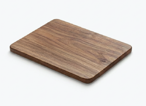
Wood is a great natural option for cutting bread or dry goods. During food preparation, bacteria from raw meats and fish can absorb into wood via the natural pores in the material. Wooden boards can’t go in the dishwasher, and they need regular treatment with oil to maintain their finish. As long as the wood is FSC-sourced it’s a sustainable choice, and wooden boards are often knife-friendly and long lasting.
Metal or Glass
Titanium, stainless steel or glass boards feature zero micro plastics – they’re also hygienic and dishwasher safe. Boards made from these materials can be recycled after use (if they don’t include plastic non-slip feet). The issue with these materials is the large fossil fuel usage required in their production, and the destructive effect they have on knife edges. Cutting on these surfaces creates more noise which can be irritating, but they are long lasting.
Paper or Wood Composite
Paper or wood composite boards are similar to bamboo chopping boards, but with the added benefit of being dishwasher safe. They are formed by combining wood or paper with adhesives such as formaldehyde or phenolic resin. This combination result in a material which isn't knife friendly, cant be recycled and will create persistent microplastics.


